💧 Water Level Sensor – Complete Explanation
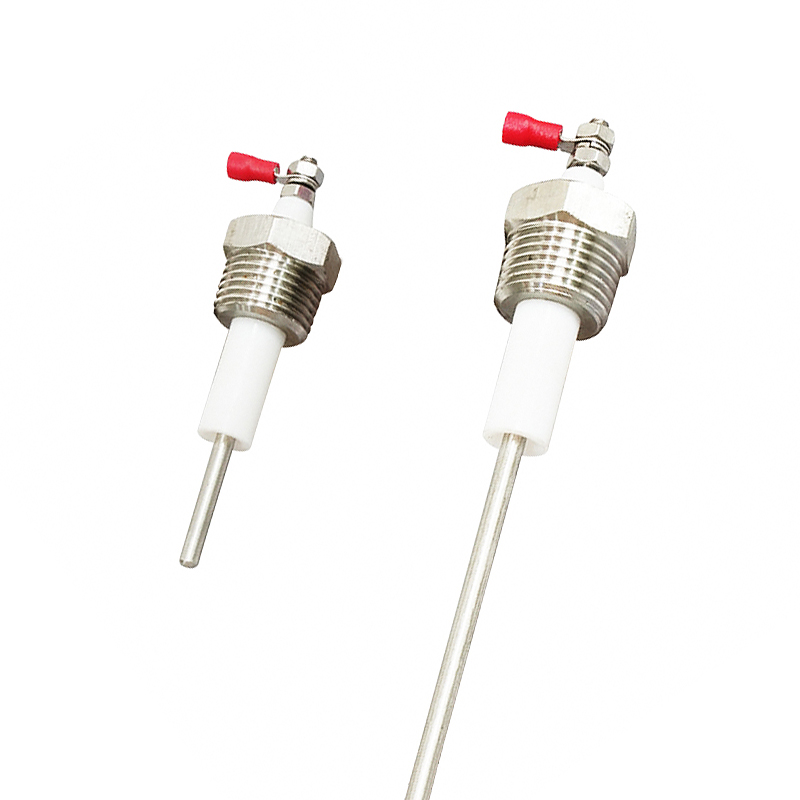

📌 1️⃣ What is a Water Level Sensor?
A Water Level Sensor is an electronic device that detects the presence or level of water in a tank.
It works based on:
-
Electrical conductivity of water
-
Resistance change between exposed tracks
When water touches the sensing lines:
-
Current flows between traces
-
Output signal changes
-
ESP32 reads this change
📌 2️⃣ Types of Water Level Sensors
There are mainly 3 common types:
🔹 1. Conductive Type (Most common & cheap)
-
Uses exposed copper traces
-
Detects water by conductivity
-
Used in Arduino/ESP32 projects
🔹 2. Float Switch Type
-
Mechanical switch
-
ON/OFF only
-
Used in water tanks
🔹 3. Ultrasonic Sensor (Advanced)
-
Measures distance from top
-
Gives percentage level
-
More accurate
For your project:
👉 You are using Conductive Water Level Sensor
📌 3️⃣ Parts of Water Level Sensor Module
Most modules have:
| Pin | Function |
|---|---|
| VCC | Power (3.3V or 5V) |
| GND | Ground |
| AO | Analog Output |
| DO | Digital Output |
📌 4️⃣ How It Works
Inside the sensor:
-
Multiple parallel copper traces
-
When dry → high resistance
-
When water touches → low resistance
-
Signal changes at output
If using:
🔹 Analog Output (AO)
-
Gives value from 0 to 4095 (ESP32)
-
Used for measuring level percentage
🔹 Digital Output (DO)
-
Only HIGH or LOW
-
Used for simple FULL / EMPTY detection
📌 5️⃣ Connection with ESP32
If using Analog Pin:
| Sensor | ESP32 |
|---|---|
| VCC | 3.3V |
| GND | GND |
| AO | GPIO 34 (ADC pin) |
If using Digital Pin:
| Sensor | ESP32 |
|---|---|
| VCC | 3.3V |
| GND | GND |
| DO | Any Digital Pin |
📌 6️⃣ Example Analog Reading Code (ESP32)
int waterValue;
void setup() {
Serial.begin(115200);
}
void loop() {
waterValue = analogRead(waterPin);
Serial.println(waterValue);
delay(1000);
}
If:
-
Low value → Tank Empty
-
High value → Tank Full
📌 7️⃣ Why It Is Important in Your Project
In your Smart Water Management System:
When sensor detects:
-
LOW water → Motor ON
-
FULL water → Warning + Motor OFF
It prevents:
-
Overflow
-
Dry running
-
Motor damage
-
Water waste
📌 8️⃣ Advantages
✔ Cheap
✔ Easy to use
✔ Simple wiring
✔ Good for small projects
📌 9️⃣ Disadvantages
⚠️ Copper traces can corrode over time
⚠️ Not very accurate
⚠️ Not good for long-term permanent installation
📌 🔟 Best Practice Tips (Important for Viva)
-
Always use 3.3V for ESP32
-
Don’t keep sensor powered continuously (reduce corrosion)
-
Place sensor vertically
-
Clean sensor monthly
-
For long-term use → Prefer Float or Ultrasonic
📌 Comparison (For Viva Explanation)
| Feature | Conductive | Float | Ultrasonic |
|---|---|---|---|
| Cost | Low | Medium | High |
| Accuracy | Medium | Low | High |
| Maintenance | High | Low | Low |
| IoT Ready | Yes | Yes | Yes |
📌 Final Summary
The Water Level Sensor is a conductivity-based sensing device that detects water presence by measuring resistance change.
In your project, it acts as the main input device that:
-
Detects tank level
-
Sends signal to ESP32
-
Controls motor logic
It is a simple but powerful sensor for automation projects.